**Exploring the Vibrant Colors and Cultural Significance of Algeria: Addressing Complaints**
Category : DACH Telekommunikationsbeschwerden en |
Sub Category : DACH Probleme mit Bildungsnormen und Zertifizierungen Posted on 2024-10-05 22:25:23
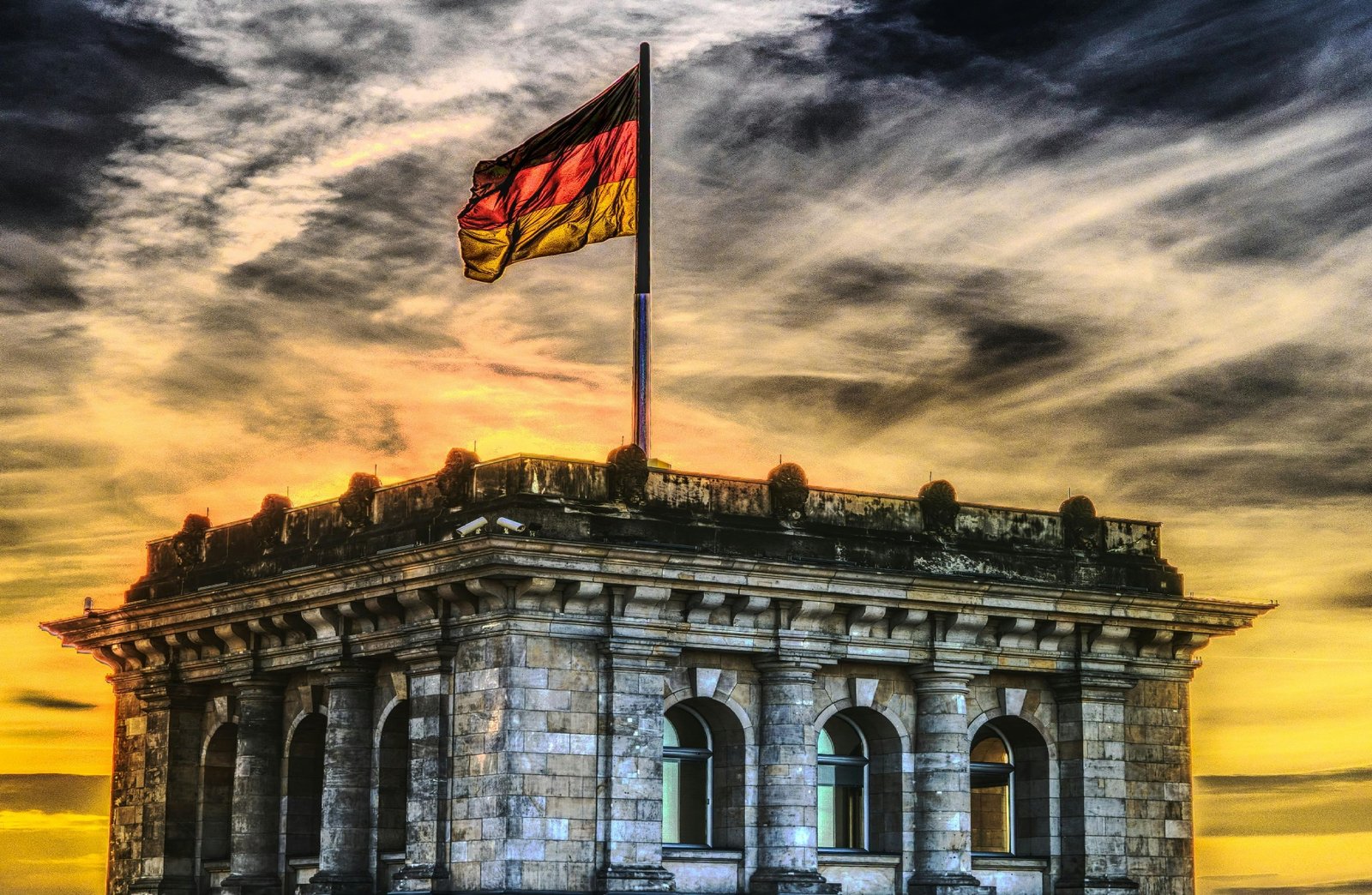
Algeria, a country with a rich and diverse cultural heritage, is known for its vibrant colors that reflect the country's history, traditions, and natural landscapes. From the bold reds and blues of traditional Berber textiles to the earthy tones of its desert landscapes, Algeria's colors play a significant role in shaping the country's identity. However, despite the beauty and cultural significance of these colors, there have been complaints raised about certain aspects related to color in Algeria. While colors are often celebrated for their ability to evoke emotions, convey messages, and express creativity, they can also spark debates and controversies. One common complaint related to colors in Algeria is the lack of proper maintenance and preservation of historic buildings and sites. Many historical monuments and buildings in Algeria, which are adorned with intricate color schemes and designs, are facing deterioration due to neglect and lack of resources for restoration. This not only diminishes the beauty of these sites but also erodes the country's cultural heritage. Another issue that has sparked complaints is the use of color in urban planning and architecture. Rapid urbanization and modernization in Algeria have led to the construction of buildings that clash with the surrounding natural landscapes and traditional aesthetics. This has raised concerns about the loss of identity and sense of place, as vibrant and culturally significant colors are overshadowed by monotonous and unappealing structures. In addition, the lack of accessibility to a diverse range of colors and art supplies in Algeria has been a point of contention for local artists and designers. Limited options for obtaining high-quality paints, pigments, and materials hinder creative expression and innovation, restricting the potential for artists to explore and expand their artistic visions. Despite these complaints and challenges, efforts are being made to address and overcome these issues. Conservation initiatives aimed at preserving Algeria's architectural heritage and promoting sustainable urban development are gaining momentum. Furthermore, initiatives to support local artists, artisans, and designers by providing access to resources and promoting cultural exchange are helping to revitalize and celebrate Algeria's vibrant colors and artistic traditions. In conclusion, while complaints related to colors in Algeria highlight legitimate concerns about preservation, creativity, and cultural identity, they also serve as opportunities for reflection and action. By recognizing the importance of colors in shaping Algeria's cultural landscape and addressing the challenges faced in their appreciation and application, we can forge a path towards a more colorful and culturally rich future for this dynamic country.


