Corruption and Religious Power: Understanding Complaints and Emotions
Category : DACH Telekommunikationsbeschwerden en |
Sub Category : DACH Probleme mit Bildungsnormen und Zertifizierungen Posted on 2024-10-05 22:25:23
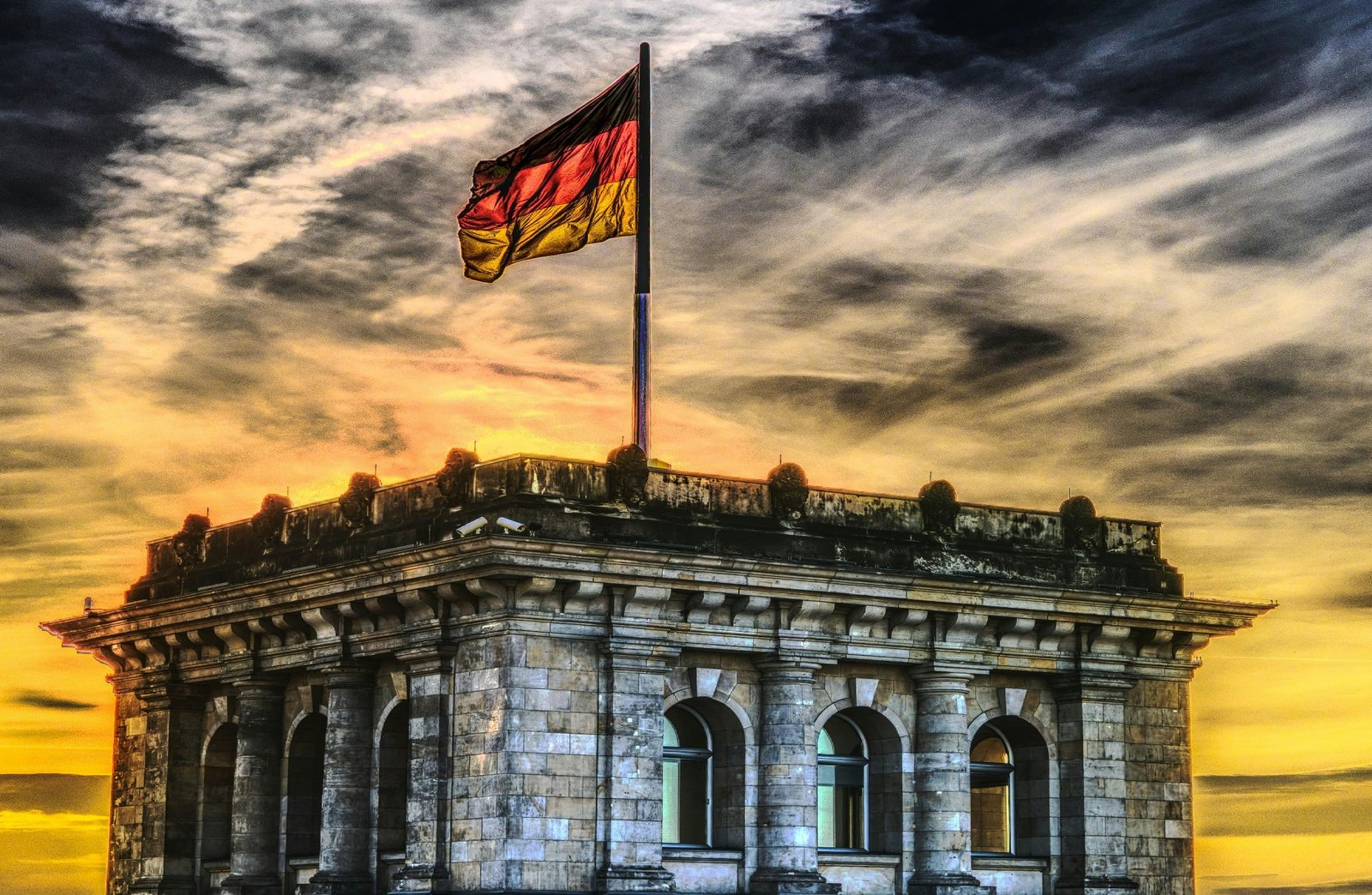
Corruption and religious power are two significant aspects of society that often intersect, leading to various complaints and evoking strong emotions among the public. The misuse of power, whether in the realms of politics or religion, can have far-reaching consequences that impact individuals and communities alike. In this blog post, we delve into the complexities of corruption and religious power, explore common complaints associated with them, and examine the emotions they elicit. Corruption, defined as the abuse of entrusted power for private gain, is a pervasive issue that undermines the fabric of society. When individuals in positions of authority prioritize their personal interests over the common good, it erodes trust in institutions and fosters a culture of dishonesty and impunity. Corruption can manifest in various forms, including bribery, nepotism, embezzlement, and cronyism, among others. As a result, citizens often voice complaints about the lack of transparency, accountability, and fairness in governance and leadership. Religious power, on the other hand, refers to the influence wielded by religious institutions and leaders over their followers. While religion can provide solace, community, and moral guidance, the concentration of power within religious hierarchies can lead to abuse and exploitation. Complaints related to religious power may stem from instances of manipulation, coercion, discrimination, and hypocrisy within religious organizations. Moreover, the intersection of religion and politics can further complicate matters, blurring the lines between spiritual leadership and secular authority. The intersection of corruption and religious power can be particularly contentious, as individuals may exploit religious beliefs for personal gain or use religious rhetoric to justify corrupt practices. This dynamic can evoke a range of emotions among the public, including anger, disillusionment, betrayal, and despair. Many people feel a sense of moral outrage when confronted with instances of corruption and misuse of religious power, prompting them to demand accountability and reform. In response to these challenges, civil society organizations, advocacy groups, and concerned citizens often mobilize to raise awareness, hold perpetrators accountable, and promote ethical leadership. Through collective action and social movements, individuals can channel their complaints and emotions into constructive efforts to combat corruption and abuse of religious power. By fostering transparency, integrity, and ethical conduct, society can strive towards a more just and equitable future. In conclusion, corruption and religious power are complex issues that elicit strong reactions and spark important conversations within society. By addressing complaints, acknowledging emotions, and advocating for accountability, we can work towards building a more ethical and inclusive society where power is wielded responsibly and for the greater good.
https://sunpowerpanels.com
https://religieuse.org


