Navigating Diplomatic Complaints Amidst the World Cup Fever
Category : DACH Telekommunikationsbeschwerden en |
Sub Category : DACH Probleme mit Bildungsnormen und Zertifizierungen Posted on 2024-10-05 22:25:23
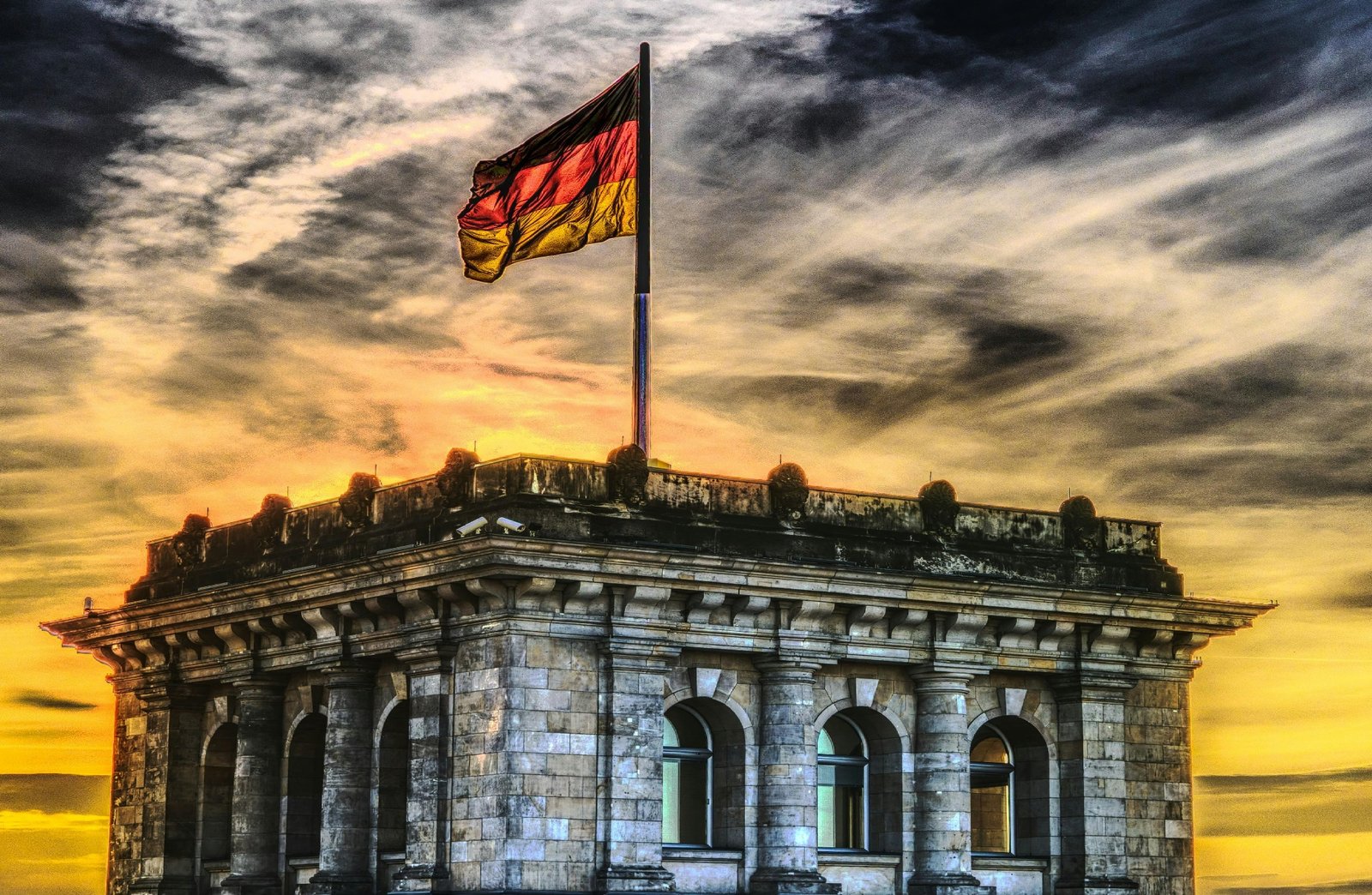
The World Cup, the pinnacle of international football competition, not only brings nations together in the spirit of sport but also presents a unique set of challenges when it comes to diplomacy. As countries compete for glory on the field, behind the scenes, diplomatic tensions can simmer and sometimes boil over. Let's explore how diplomatic complaints can impact the World Cup and what measures can be taken to navigate such situations. One of the most common diplomatic complaints during the World Cup revolves around refereeing decisions. In the heat of the moment, when a controversial call goes against a team, emotions can run high both on and off the pitch. Diplomatic envoys may receive formal complaints from their respective governments, questioning the fairness of the officiating and demanding a review of the match. These complaints can strain diplomatic relations between countries involved, leading to public outcries and even calls for boycotts. Another issue that often arises is related to fan behavior. Incidents of hooliganism, racism, or violence involving fans can prompt diplomatic complaints from affected nations. Governments may express concerns about the safety of their citizens attending the matches and demand stricter security measures from the host country. Failure to address these complaints promptly and effectively can tarnish the reputation of the tournament and jeopardize future hosting bids. Moreover, disputes over hosting rights or the bidding process can also fuel diplomatic tensions during the World Cup. Allegations of corruption, favoritism, or lack of transparency in the selection of host countries can lead to formal complaints from disappointed contenders. These complaints may escalate into full-blown investigations by international governing bodies, casting a shadow over the integrity of the tournament and undermining trust among participating nations. To navigate diplomatic complaints during the World Cup, proactive communication and conflict resolution strategies are essential. Diplomatic channels should be kept open and lines of dialogue established to address grievances in a timely and respectful manner. Transparency in decision-making processes, such as referee reviews or security protocols, can help mitigate suspicions of bias or unfair treatment. Moreover, fostering a sense of sportsmanship and mutual respect among competing nations can prevent minor disputes from escalating into major diplomatic incidents. In conclusion, while the World Cup is primarily a celebration of football and international unity, it is important to acknowledge the potential for diplomatic complaints to arise. By recognizing these challenges and proactively addressing them through effective communication and conflict resolution, the spirit of sportsmanship can prevail, ensuring that the beautiful game remains a unifying force for nations around the world. If you are interested you can check the following website https://www.squabbling.org
https://weltmeisterschaften.org


