When it comes to European hotels, architecture plays a crucial role in shaping the guest experience. While most travelers revel in the charm and history associated with architectural elements found in these hotels, there are times when design choices can lead to complaints and dissatisfaction. Let's explore some common architectural complaints that guests might have when staying at European hotels.
Category : DACH Telekommunikationsbeschwerden en |
Sub Category : DACH Probleme mit Bildungsnormen und Zertifizierungen Posted on 2024-10-05 22:25:23
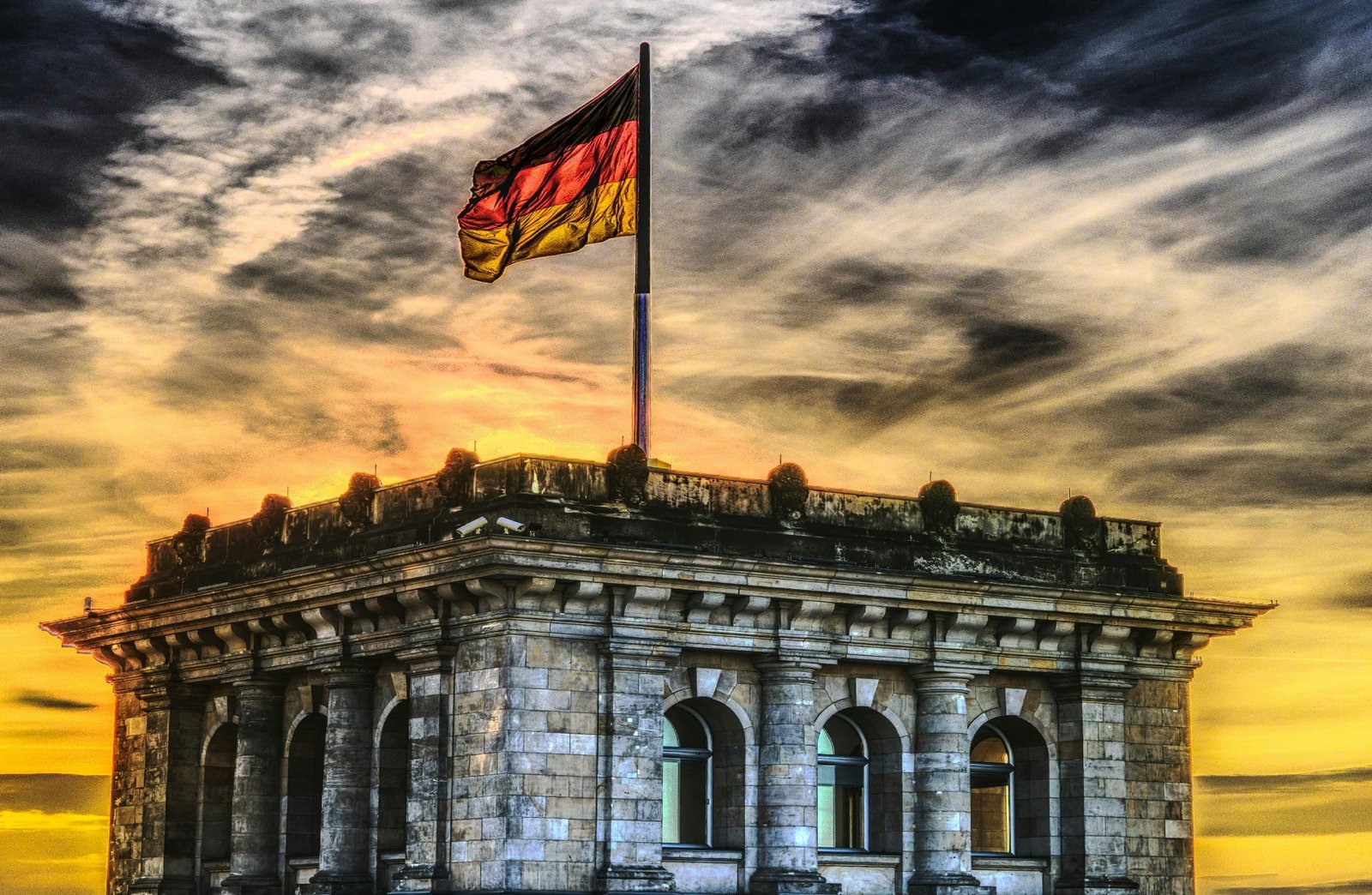
One of the most frequent complaints regarding architecture in European hotels is related to room size. Many historic hotels boast stunning architecture with intricate design details, but this often comes at the cost of smaller room sizes. Guests may feel cramped and uncomfortable in tiny rooms, especially when traveling with luggage or when staying for an extended period. Another common architectural complaint is related to the lack of modern amenities. Some European hotels that are housed in historic buildings may struggle to incorporate essential contemporary features such as air conditioning, elevators, or soundproofing. This can lead to discomfort and inconvenience for guests who are accustomed to modern comforts and technologies. Furthermore, noise issues can also arise due to the architectural layout of European hotels. Thin walls, creaky floors, and noisy plumbing systems can disrupt guests' sleep and relaxation, leading to complaints about the lack of peace and quiet within the hotel premises. In addition, accessibility concerns can be a significant architectural complaint in European hotels. Historic buildings are often protected under heritage laws, making it challenging to retrofit them with facilities for guests with mobility issues. Lack of ramps, narrow doorways, and inaccessible bathrooms can pose obstacles for guests with disabilities, resulting in valid complaints regarding inclusivity and accommodation. Despite these architectural complaints, it's essential to appreciate the historical significance and unique charm that many European hotels offer through their architecture. Understanding the limitations imposed by the preservation of historic buildings can help guests manage their expectations and appreciate the authenticity and character that come with staying in such establishments. In conclusion, while architectural complaints in European hotels may arise due to issues such as room size, lack of modern amenities, noise disturbances, and accessibility challenges, it's crucial to acknowledge the balance between preserving historical architecture and meeting the needs of contemporary travelers. By fostering a deeper understanding of the architectural nuances of European hotels, guests and hoteliers can work together to enhance the overall guest experience while celebrating the rich heritage and cultural legacy embedded in these architectural gems.


